













How to Save Money on Monthly Bills Without Cutting Essentials
How to Save Money on Monthly Bills Without Cutting Essentials is a goal many households share, especially when everyday expenses seem to rise faster than income. The good news is that lowering monthly costs does not always require sacrificing comfort, canceling necessities, or living on an unrealistic budget. In many cases, meaningful savings come from…
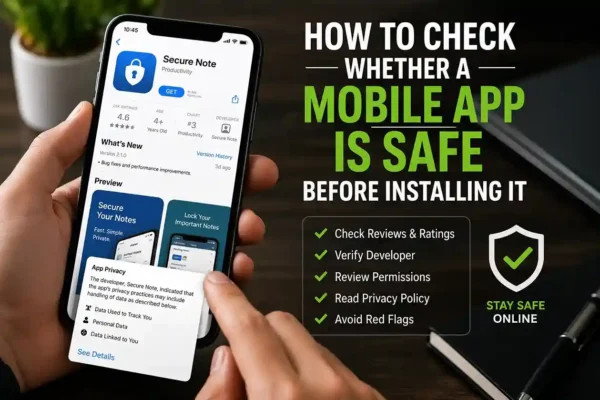
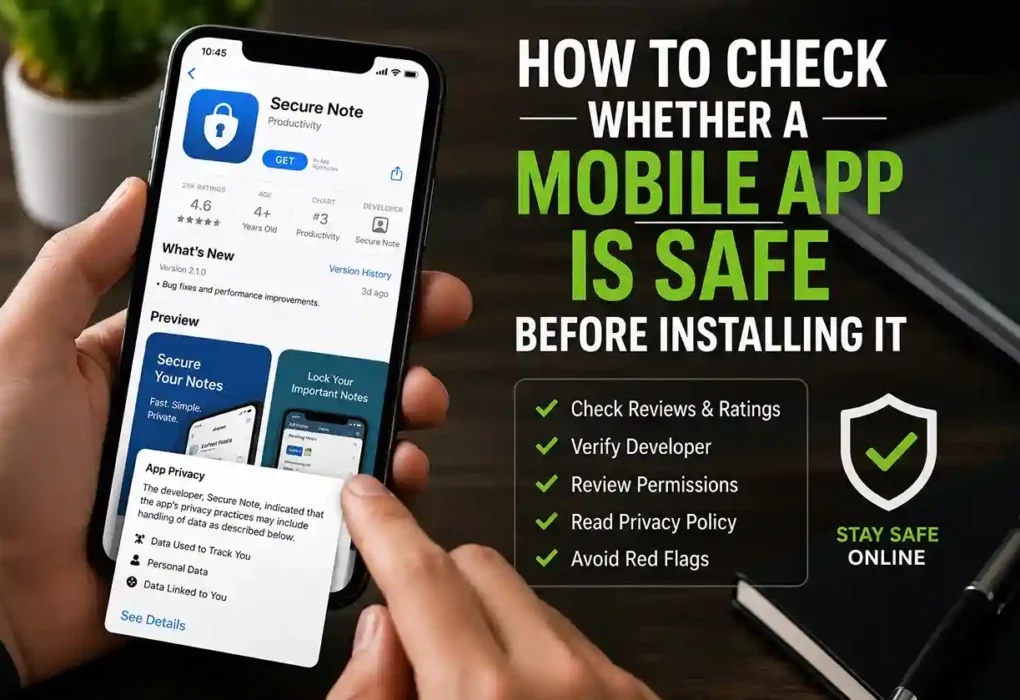
How to Check Whether a Mobile App Is Safe Before Installing It
How to Check Whether a Mobile App Is Safe Before Installing It is becoming an essential digital skill. Most people install apps without much thought, especially when they are recommended by friends, trending on social media, or appear at the top of an app store search. However, not every app deserves your trust. Some apps…
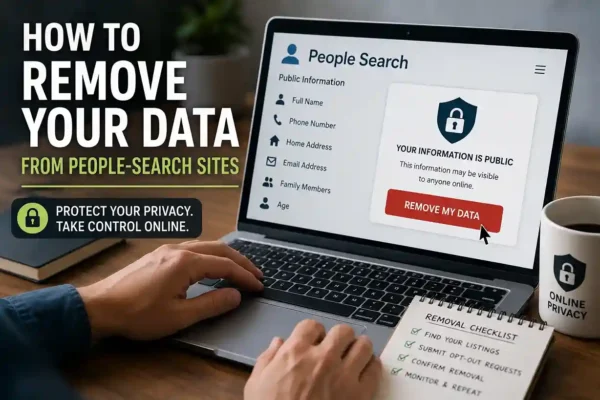
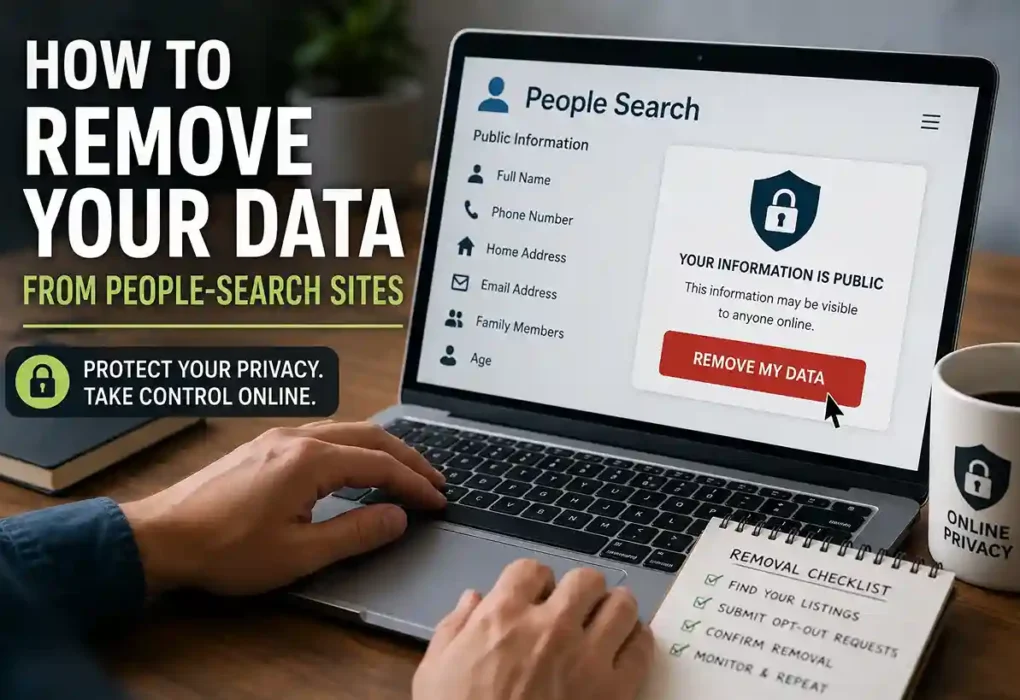
How to Remove Your Data from People-Search Sites
How to remove your data from people-search sites is one of the most practical privacy projects you can do in a single afternoon, especially if your name, phone number, home address, or relatives are showing up in public search results. The FTC explains that people-search sites often collect and sell details such as current and…
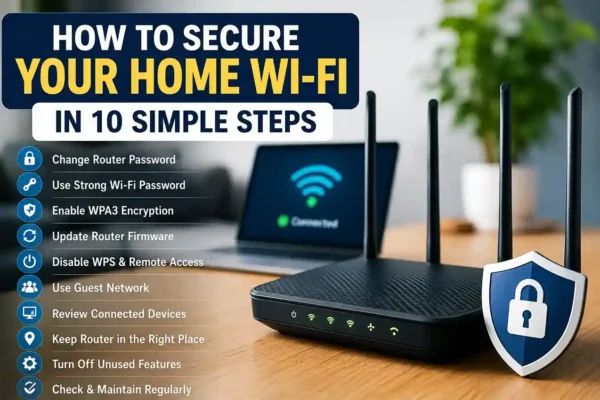
How to Secure Your Home Wi-Fi in 10 Simple Steps
How to Secure Your Home Wi-Fi in 10 Simple Steps is one of the most useful security upgrades you can make without buying new gear. Your router is the front door to everything connected in your house, and the FTC describes it as the home base for your devices. Start there, and you immediately reduce…
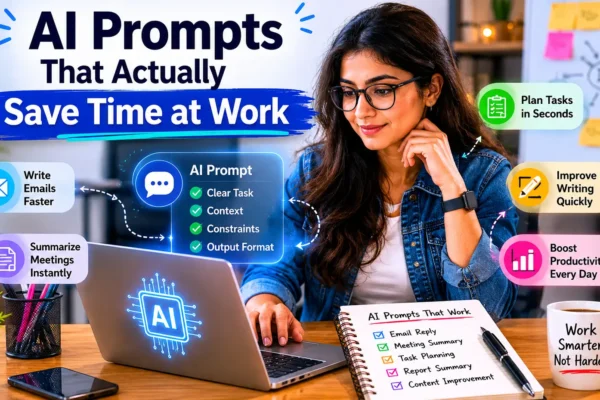
AI Prompts That Actually Save Time at Work
AI prompts that actually save time at work are usually not the fanciest ones. They are the clearest ones. The strongest prompts give the model a specific job, enough context to do it well, and a clean output format so you do not waste time rewriting the result. OpenAI’s guidance emphasizes clear instructions, concrete examples,…

How to Protect Your Family from Voice-Cloning Scams
How to Protect Your Family from Voice-Cloning Scams is becoming an important digital safety skill in 2026. Scammers can now use AI-generated audio to imitate a parent, child, spouse, or close friend and create convincing fake emergencies designed to trigger fear, urgency, and fast decisions. The FTC warns that criminals may only need a short…
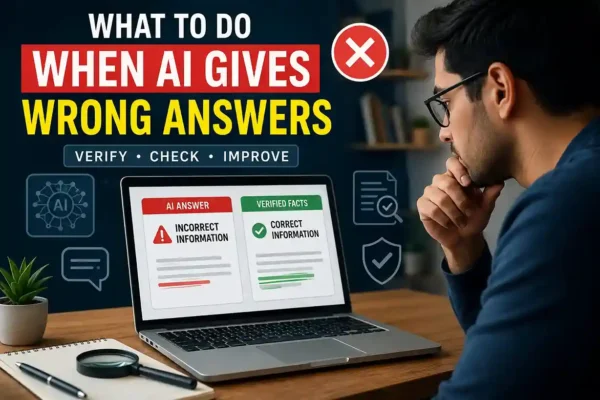
What to Do When AI Gives Wrong Answers
Artificial intelligence can be impressively useful, but it is not automatically reliable. One minute it can summarize a topic in a way that feels polished and confident; the next, it can give a wrong date, a made-up source, or an answer that simply does not fit the real-world situation. That is why understanding what to…
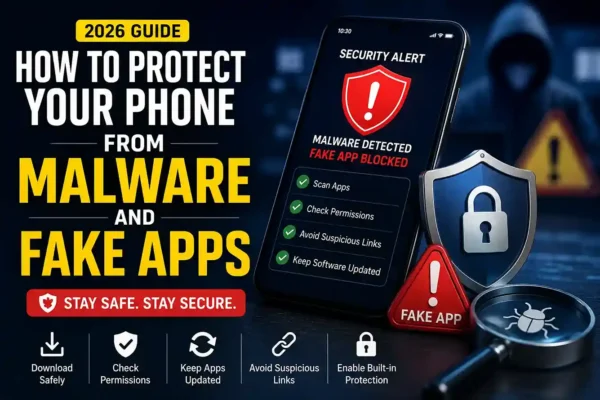
How to Protect Your Phone From Malware and Fake Apps in 2026
How to protect your phone from malware and fake apps in 2026 is one of the most practical digital safety skills a person can learn right now. Phones are no longer just for calls and messages. They hold banking apps, work logins, photos, two-factor codes, shopping accounts, health data, and private conversations. That makes them…
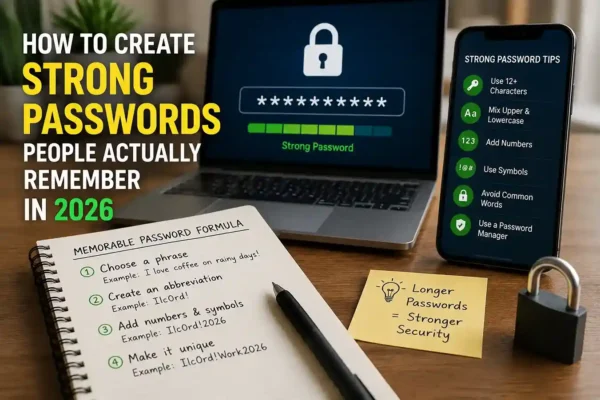
How to Create Strong Passwords People Actually Remember in 2026
In 2026, the best passwords are not the ones that look complicated on paper. They are the ones that are long, unique, and realistic enough for a human being to remember without writing them on a sticky note. That matters because password reuse is still one of the fastest ways a small problem becomes a…
How to Protect Your WhatsApp Account From Hijacking in 2026
How to protect your WhatsApp account from hijacking in 2026 is now a basic digital safety skill, not a niche tech concern. WhatsApp is often where people talk to family, coordinate work, share banking updates, and exchange sensitive personal details. That makes it a high-value target for scammers. A hijacked account can be used to…