What Is a Credit Score and Why Does It Matter? Many people hear about credit scores when applying for loans or credit cards, but fewer fully understand how these numbers affect everyday financial life. A credit score can influence borrowing approvals, interest rates, insurance costs, and even housing opportunities. Understanding how credit scores work is one of the most important steps toward building stronger long-term financial health.
People who are already improving their financial habits through guides like How to Build an Emergency Fund in 2026: A Simple Step-by-Step Guide often discover that understanding credit scores becomes equally important over time. Financial security and digital security also connect more than many people realize. For example, protecting your personal information through How to Protect Your Personal Data Online in 2026 can help reduce identity theft risks that may damage your credit history.
What Is a Credit Score and Why Does It Matter for Financial Health?
A credit score is a number calculated using information from your credit report. According to the CFPB credit score guide, lenders use these scores to evaluate how likely someone is to repay borrowed money. Different scoring systems exist, but many scores commonly range from 300 to 850.
People often confuse a credit score with a credit report, but they are not the same thing. Your credit report contains the detailed history of your borrowing and repayment behavior, while the score is a numerical summary created from that data. The FTC’s guide to understanding credit explains that businesses may use this information to make decisions about loans, credit cards, insurance, and even housing applications.
In real-world situations, this matters more than people expect. Someone may think their finances are stable but still get rejected for a loan because of an old missed payment, a high credit utilization rate, or incorrect information on a report.
Why Does a Credit Score Matter?
Your credit score matters because it can influence:
- loan approvals
- credit card eligibility
- mortgage interest rates
- rental applications
- insurance pricing
- financial opportunities
The FTC’s credit score guidance explains that higher credit scores generally improve borrowing options and may reduce the amount of interest you pay over time.
For example, two people applying for the same car loan may receive very different interest rates depending on their credit scores. Even a small interest difference can cost thousands over several years.
People who are already learning safer online financial habits through How to Check If a Website Is Safe Before Entering Personal Details in 2026 are often better prepared to protect financial accounts from scams and identity theft.
What Affects Your Credit Score?
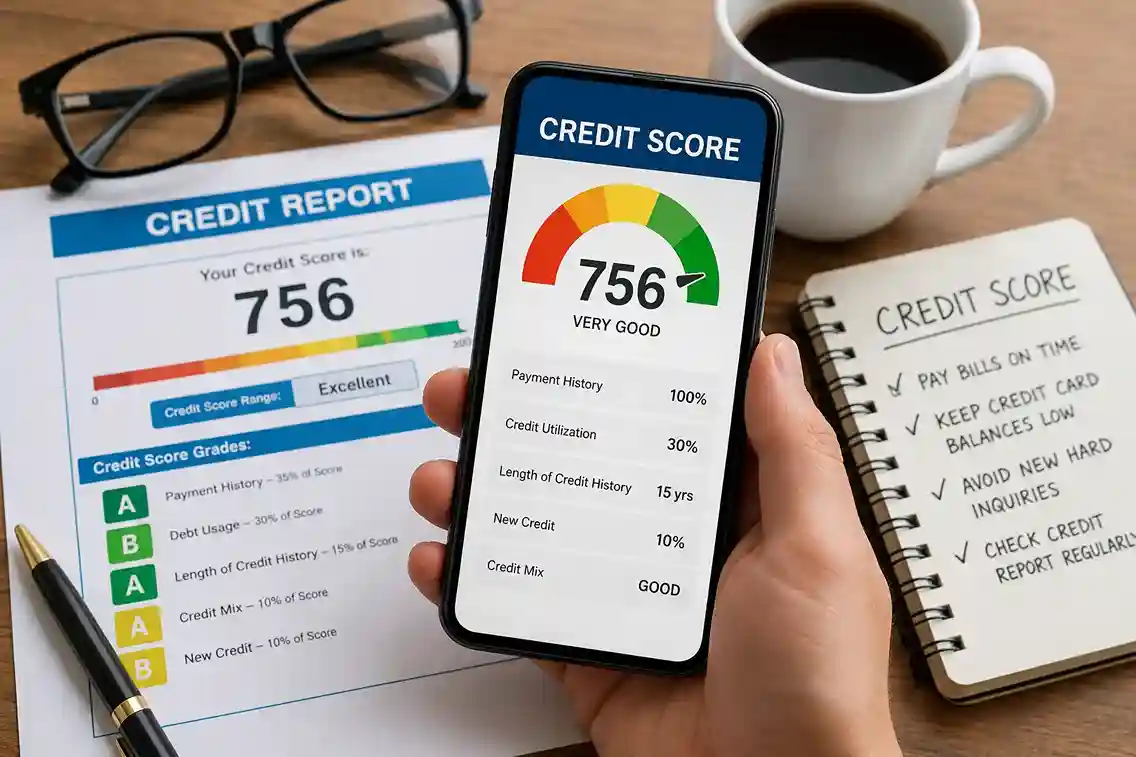
Several factors influence your credit score. While different scoring models may weigh them differently, these areas usually matter most:
Payment History
Paying bills on time is one of the strongest positive signals for credit health. Late or missed payments can lower your score significantly.
Credit Utilization
This refers to how much of your available credit you are currently using. High balances compared to your total limit may signal financial stress to lenders.
Length of Credit History
Older accounts can help build stability because they show longer-term borrowing behavior.
New Credit Applications
Opening several accounts in a short period may temporarily lower your score because lenders may see it as risky behavior.
Credit Mix
A healthy mix of loans and credit accounts may sometimes help demonstrate responsible credit management.
The CFPB explains that these factors together help create a picture of how consistently someone manages borrowed money.
How to Check Your Credit Score and Credit Report
Checking your credit report regularly is one of the smartest financial habits you can build. The official AnnualCreditReport.com website allows consumers to access free credit reports from Equifax, Experian, and TransUnion.
Reviewing your reports helps you:
- identify errors
- detect suspicious activity
- monitor account changes
- track improvement progress
This is especially important in real-world situations where identity theft or online scams may expose financial information. Readers already following safer digital habits through How to Create a Personal Cybersecurity Checklist in 2026 are often more likely to notice suspicious account activity early.
The FTC’s identity theft resources also recommend reviewing financial records regularly to detect fraud quickly.
Common Mistakes That Hurt Credit Scores
Many people damage their credit scores without realizing it. Some of the most common mistakes include:
- missing payment due dates
- maxing out credit cards
- applying for too many accounts at once
- ignoring credit report errors
- closing old accounts unnecessarily
- co-signing loans without understanding the risks
One overlooked issue is emotional spending. Small unnecessary purchases can slowly increase balances and reduce financial flexibility over time. People trying to improve money management habits may also benefit from How to Build an Emergency Fund in 2026: A Simple Step-by-Step Guide because emergency savings can reduce reliance on debt during difficult periods.
Another major mistake is ignoring cybersecurity. Weak passwords or phishing scams can expose banking and financial accounts. Using safer account habits through How to Use a Password Manager in 2026: A Simple Beginner’s Guide can help protect sensitive financial logins.
How to Improve Your Credit Score
Improving a credit score usually takes time, but consistent habits matter more than quick fixes.
Pay Bills on Time
Even small missed payments can affect your credit history. Setting reminders or automatic payments may help.
Reduce Credit Card Balances
Lower balances can improve your credit utilization ratio and strengthen your overall credit profile.
Avoid Unnecessary Applications
Applying for too many accounts in a short period may temporarily lower your score.
Monitor Your Reports
Checking reports regularly can help you identify errors or fraud early.
Protect Your Personal Information
Identity theft can damage credit scores if scammers open accounts using stolen information. The FTC’s fraud alert and credit freeze guidance explains how consumers can add protections if they suspect identity theft.
People already working on safer internet habits through How to Spot Phishing Emails and Scam Links in 2026 may have an easier time avoiding financial scams that expose personal data.
Why Credit Scores Matter More in 2026
Digital finance continues to expand rapidly. More applications, payments, subscriptions, and banking services now happen online. That convenience also increases exposure to scams, phishing attempts, and identity theft risks.
The FTC identity theft guidance warns consumers to monitor financial information carefully and protect sensitive data online.
In practical terms, this means financial responsibility and digital responsibility are becoming closely connected. Someone who protects passwords, avoids fake websites, and secures devices is also reducing the risk of financial fraud.
That is why articles like How to Protect Your Email Account From Hackers in 2026 and How to Create a Family Online Safety Plan in 2026 naturally support broader financial safety goals as well.
What to Do If You Find Errors on Your Credit Report
Mistakes on credit reports are more common than many people think. Incorrect balances, outdated information, or accounts that do not belong to you can negatively affect your score.
The FTC dispute guidance recommends:
- reviewing reports carefully
- collecting supporting documents
- contacting the credit bureau
- filing disputes promptly
In real-world situations, catching an error early may help prevent loan denials or higher borrowing costs later.
Best Practices for Long-Term Credit Health
Healthy credit habits are usually simple, even if they require consistency.
A strong long-term approach includes:
- paying on time
- avoiding unnecessary debt
- reviewing reports regularly
- protecting personal information
- maintaining emergency savings
- using secure online banking habits
People who combine financial awareness with stronger cybersecurity habits often build more stable long-term protection overall.
Frequently Asked Questions
What is a credit score in simple terms?
A credit score is a number that helps lenders estimate how likely you are to repay borrowed money.
What is considered a good credit score?
Different scoring systems vary, but higher scores generally improve borrowing opportunities and loan terms.
Can checking my own credit score hurt it?
No. Checking your own score is usually considered a soft inquiry and does not normally lower your score.
How often should I check my credit report?
Reviewing your report several times per year is a smart habit, especially if you actively use credit accounts.
How can I protect my credit from identity theft?
Using strong passwords, monitoring accounts regularly, enabling account alerts, and considering fraud alerts or credit freezes may help protect your information.
Conclusion
Understanding what a credit score is and why it matters can help people make smarter financial decisions over time. Credit scores influence borrowing opportunities, interest rates, and other important parts of everyday life.
The CFPB and FTC both emphasize the importance of monitoring credit information, protecting personal data, and building responsible financial habits.
In practical terms, improving credit health usually comes down to consistency: paying bills on time, managing balances carefully, checking reports regularly, and protecting personal information from fraud and identity theft. Small habits repeated consistently often make the biggest long-term difference.

Shiva S writes about AI, cybersecurity, online safety, Google Discover, and digital trends. His focus is creating practical, easy-to-understand guides that help readers stay informed and safer online.