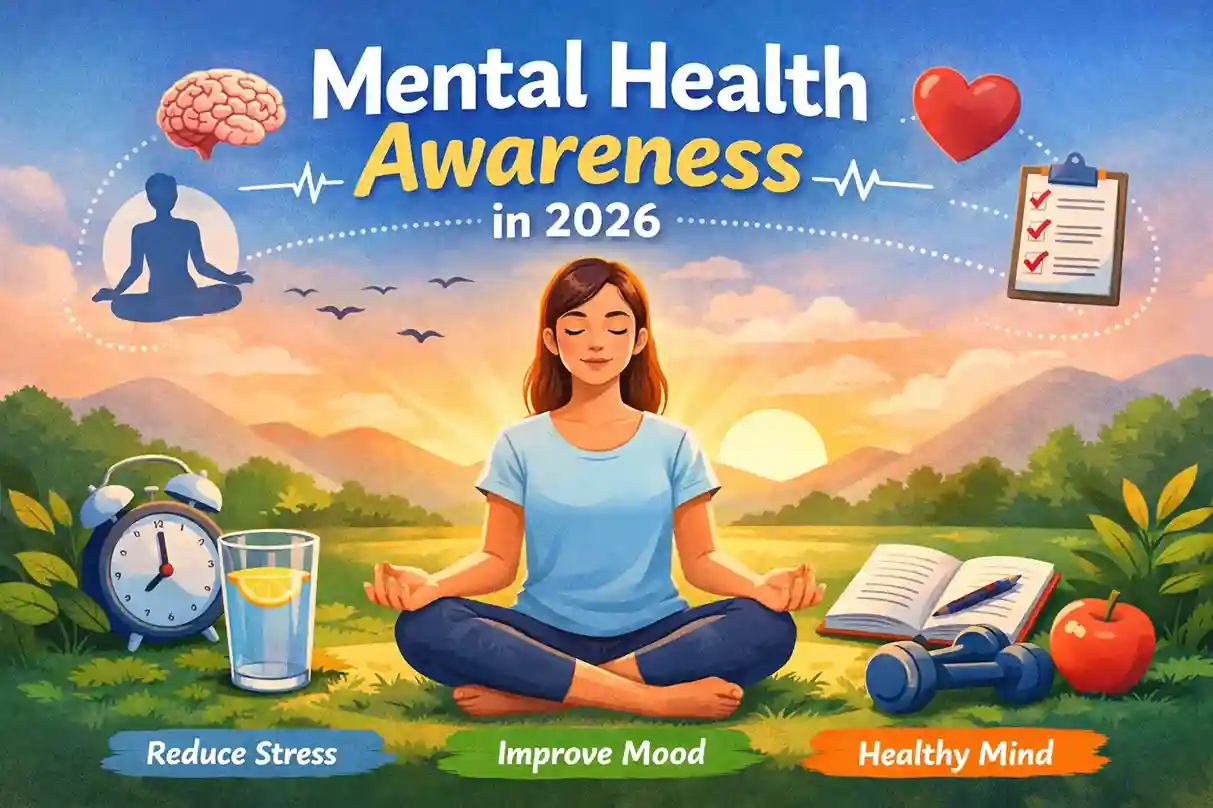
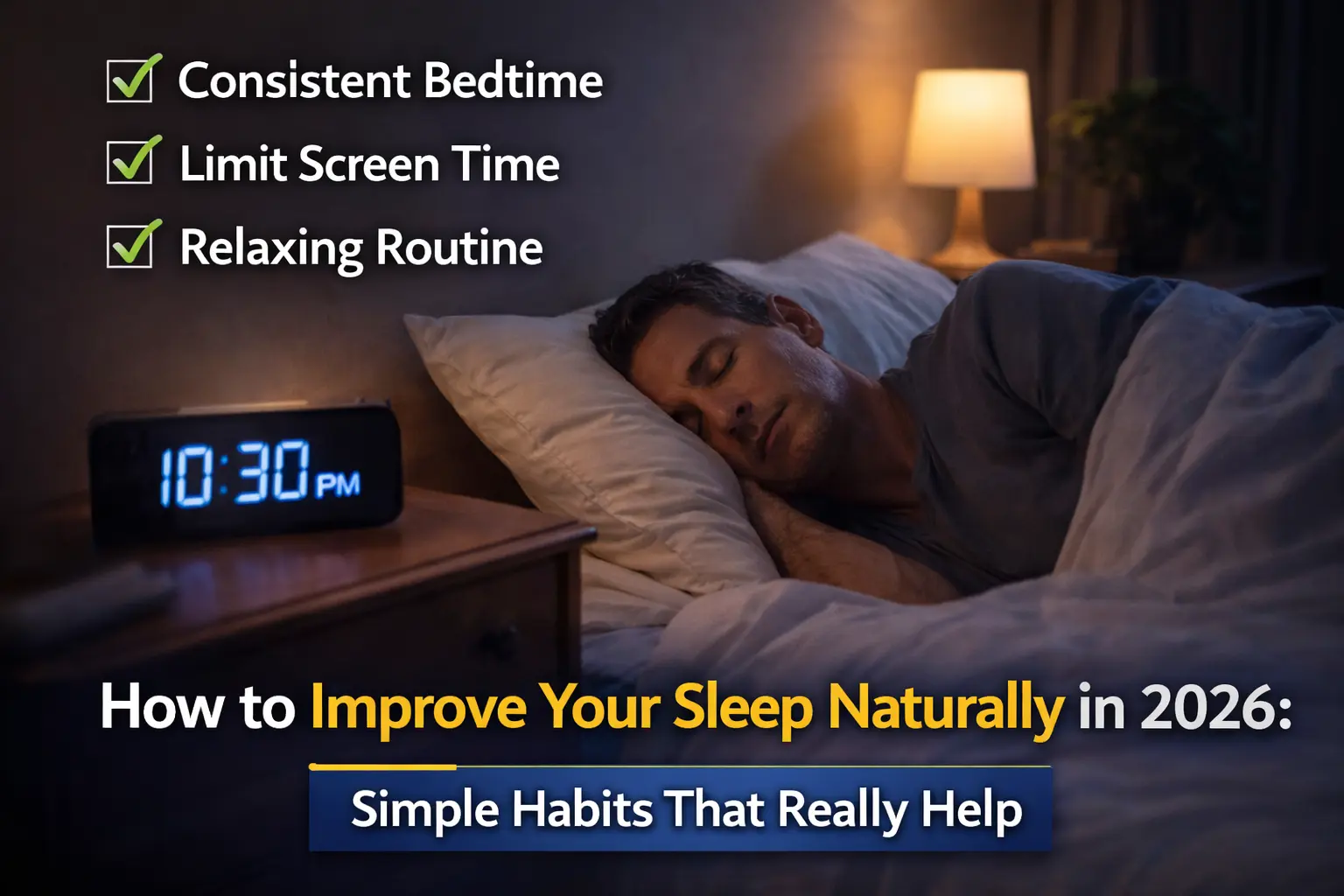
Good sleep is not a luxury. It is one of the most important parts of physical and mental well-being. The CDC says adults should get at least 7 hours of sleep each day, and its sleep guidance also recommends habits like a regular schedule, a cool and quiet bedroom, and avoiding caffeine later in the day. (CDC sleep facts, CDC sleep habits)
At latestnewss.com, this article fits naturally with our broader health and lifestyle content. We already publish practical pieces like How to Improve Mental Health Naturally in 2026, Best At-Home Fitness Routines for Busy People, and Is Intermittent Fasting Safe?. Those topics all connect to the same real-life problem: how to feel better without making your routine complicated.
This guide explains how to improve your sleep naturally in 2026 using simple habits that actually fit normal life. The goal is not perfection. The goal is to make sleep easier, deeper, and more consistent.
Why sleep matters more than people think
Sleep affects how you think, feel, move, and recover. The CDC notes that insufficient sleep is linked with a range of health problems, and research cited by CDC and Mayo Clinic shows that regularly sleeping less than seven hours is associated with poor health outcomes. Healthy sleep is also tied to better concentration, mood, and daily functioning. (CDC sleep and chronic disease, Mayo Clinic sleep hours)
That is why better sleep is not just about “feeling rested.” It can affect work performance, learning, emotional balance, and even how well you handle stress. When your sleep improves, many parts of your day improve with it.
1. Keep a consistent sleep schedule
The first and simplest habit is consistency. The NHLBI recommends going to bed and waking up at the same time every day, including weekends, because large shifts in your schedule can disrupt your body clock. CDC sleep guidance gives the same advice. (NHLBI healthy sleep habits, CDC sleep habits)
A real-world example helps here. Suppose you sleep at 12:30 a.m. on weekdays but 3:00 a.m. on weekends. Your body never gets a stable rhythm, so Monday morning feels harder than it should. A more realistic target is to keep the difference small and predictable.
A good first step in 2026 is to choose one wake-up time and protect it. Once your wake-up time becomes regular, bedtime often starts to adjust naturally.
2. Reduce screen time before bed
Bright screens can make it harder to wind down, especially if you scroll on your phone in bed. CDC sleep guidance recommends turning off electronic devices at least 30 minutes before bedtime, while MedlinePlus also advises getting rid of distractions like TVs, computers, and phones in the bedroom. (CDC sleep habits, MedlinePlus healthy sleep)
In practical terms, this means replacing the last 20 to 30 minutes of scrolling with something calmer: reading, stretching, light breathing, or preparing for the next day.
Example: if you are a student checking messages until 1:00 a.m., your brain stays in alert mode. If you stop using your phone earlier and keep the room dim, your body gets a clearer signal that the day is ending.
3. Cut down on caffeine later in the day
Caffeine is one of the most common sleep disruptors because its stimulating effects can last for hours. Mayo Clinic advises paying attention to what you eat and drink and notes that caffeine can interfere with sleep. MedlinePlus also recommends avoiding caffeine, especially in the afternoon and evening. (Mayo Clinic sleep tips, MedlinePlus healthy sleep)
A practical approach is to treat coffee, tea, energy drinks, and some sodas as “morning” drinks. If you are sensitive to caffeine, even an afternoon cup may affect your sleep quality.
If you also enjoy fasting or time-restricted eating, our article Is Intermittent Fasting Safe? can help you think through meal timing more carefully. That topic matters here because late eating and stimulant habits often overlap. (latestnewss.com)
4. Avoid heavy meals too close to bedtime
The Mayo Clinic says going to bed hungry or stuffed can make sleep worse, and it advises avoiding large meals within a couple of hours of bedtime. MedlinePlus also recommends avoiding large meals and drinks late at night. (Mayo Clinic sleep tips, MedlinePlus healthy sleep)
This does not mean you need to eat early every night. It means your last meal should not be so heavy that your body is still working hard when it should be winding down.
Example: if you eat a very large dinner at 10:30 p.m. and go straight to bed, you may feel bloated, restless, or uncomfortable. A lighter evening meal often helps the body settle down more easily.
5. Exercise regularly, but not too late
Regular movement helps sleep, but timing matters for some people. The CDC recommends exercising regularly as part of healthy sleep habits, and Mayo Clinic notes that physical activity supports sleep, though workouts too close to bedtime may interfere for some people. Harvard Health also says many people sleep better when exercise is scheduled earlier in the day, while others may tolerate evening exercise differently. (CDC sleep habits, Mayo Clinic sleep tips, Harvard Health sleep hygiene)
That is why the best rule is simple: move your body most days, then notice what timing works best for you.
Our article Best At-Home Fitness Routines for Busy People fits perfectly here because even 15 to 30 minutes of walking, stretching, yoga, or light home exercise can support better sleep without adding pressure to your schedule. (latestnewss.com)
6. Make your bedroom work for sleep
Your sleep environment matters. CDC guidance recommends keeping the bedroom quiet, relaxing, and cool. MedlinePlus also says the bedroom should be cool, dark, and quiet, and Mayo Clinic recommends creating a restful environment. (CDC sleep habits, MedlinePlus healthy sleep, Mayo Clinic sleep tips)
You do not need a luxury bedroom to sleep better. Small changes can help:
close curtains to reduce light,
lower the temperature a little,
reduce noise where possible,
and keep the bed for sleep instead of work or late-night browsing.
A simple room can still feel like a sleep-friendly room. The goal is to make your environment less stimulating and more predictable.
7. Build a short wind-down routine
Sleep improves when your brain gets repeated cues that bedtime is near. The NHLBI says the hour before bed can be used for calm, relaxing activities, and MedlinePlus suggests relaxing before bed by reading, taking a bath, or listening to calm music. (NHLBI healthy sleep habits, MedlinePlus healthy sleep)
A wind-down routine does not need to be long. It can be just 15 to 30 minutes. For example:
wash up,
dim the lights,
put your phone away,
read a few pages,
and lie down at the same time each night.
This works because it becomes a pattern your body recognizes. Over time, the routine itself becomes a sleep signal.
8. Manage stress and racing thoughts
For many people, the biggest sleep problem is not noise or caffeine. It is a busy mind. If your thoughts keep spinning at night, your body may stay in alert mode even when you are physically tired. That is why sleep and mental health are closely connected. MedlinePlus notes that depression and anxiety can make sleep harder, and sleeplessness can make those feelings worse. (MedlinePlus sleep and health, latestnewss.com mental health guide)
A useful trick is to write down tomorrow’s tasks before bed. That keeps your brain from trying to remember everything while you are lying in the dark.
If stress is part of the reason you are sleeping poorly, our article How to Improve Mental Health Naturally in 2026 may also help because it covers practical habits like better routines, movement, and reduced screen time. (latestnewss.com)
9. Watch for signs that sleep trouble needs attention
Sometimes natural sleep habits are not enough. Mayo Clinic says people should see a doctor if insomnia makes it hard to do daily activities, and MedlinePlus says to contact a provider if lack of sleep is interfering with daily life. NHLBI also notes that if sleep is affecting your daily activities, it is worth talking to a doctor. (Mayo Clinic insomnia symptoms, MedlinePlus sleep tips, NHLBI insomnia diagnosis)
That matters because ongoing sleep problems may signal a sleep disorder rather than just a bad habit. MedlinePlus lists conditions such as insomnia and sleep apnea among common sleep disorders. (MedlinePlus sleep disorders)
If your sleep problems last a long time, happen often, or keep affecting your daily life, it is better to get them checked than to keep guessing.
A simple example of a better sleep plan
Here is what a realistic sleep-improvement plan might look like for a busy person in 2026:
Wake up at the same time every day.
Stop caffeine after lunch.
Exercise earlier in the day or early evening.
Finish heavy meals a couple of hours before bed.
Turn off screens 30 minutes before sleep.
Keep the bedroom cool, dark, and quiet.
Spend 10 minutes winding down with reading or breathing.
This is not complicated, but it is effective because it removes the most common sleep blockers one by one.
Frequently Asked Questions
1. What is the fastest natural way to improve sleep?
The fastest changes are usually a consistent sleep schedule, less screen time before bed, and less caffeine later in the day. These are all supported by CDC, NHLBI, MedlinePlus, and Mayo Clinic sleep guidance. (CDC sleep habits, NHLBI healthy sleep habits, MedlinePlus healthy sleep, Mayo Clinic sleep tips)
2. How many hours of sleep do adults need?
The CDC says adults should get at least 7 hours of sleep each day. (CDC sleep facts)
3. Is it okay to sleep in on weekends?
A small difference is fine, but large weekend shifts can disrupt your body clock. NHLBI recommends keeping weekend differences limited. (NHLBI healthy sleep habits)
4. Can exercise help you sleep better?
Yes. Regular exercise is part of healthy sleep habits, although some people sleep better if they avoid intense workouts very close to bedtime. (CDC sleep habits, Mayo Clinic sleep tips)
5. What if I still cannot sleep well after changing my habits?
If poor sleep continues or affects daily activities, health sources such as Mayo Clinic, MedlinePlus, and NHLBI recommend talking to a doctor or provider. (Mayo Clinic insomnia symptoms, MedlinePlus healthy sleep, NHLBI insomnia diagnosis)
6. Does stress really affect sleep?
Yes. MedlinePlus notes that anxiety and depression can make sleep harder, and sleepless nights can also worsen those feelings. (MedlinePlus sleep and health)
7. Should I use my phone in bed if it helps me relax?
It is better to reduce screen use before bed. CDC and MedlinePlus both recommend limiting electronic devices and distractions in the bedroom. (CDC sleep habits, MedlinePlus healthy sleep)
Final thoughts
How to improve your sleep naturally in 2026 is really about making your evenings calmer and your routine more consistent. You do not need a perfect lifestyle. You need a few practical habits that your body can repeat every day. Start with one or two changes, then add more only when the first ones feel normal.
For readers exploring related health topics on latestnewss.com, our guides on How to Improve Mental Health Naturally in 2026, Best At-Home Fitness Routines for Busy People, and Is Intermittent Fasting Safe? connect well with this topic because sleep, stress, movement, and eating habits all influence each other. (latestnewss.com)
If sleep problems keep interfering with your daily life, the safest next step is to speak with a qualified healthcare professional. The habit changes in this guide are a strong starting point, but persistent sleep problems deserve proper attention. (Mayo Clinic insomnia symptoms, MedlinePlus healthy sleep)

Shiva S writes about AI, cybersecurity, online safety, Google Discover, and digital trends. His focus is creating practical, easy-to-understand guides that help readers stay informed and safer online.