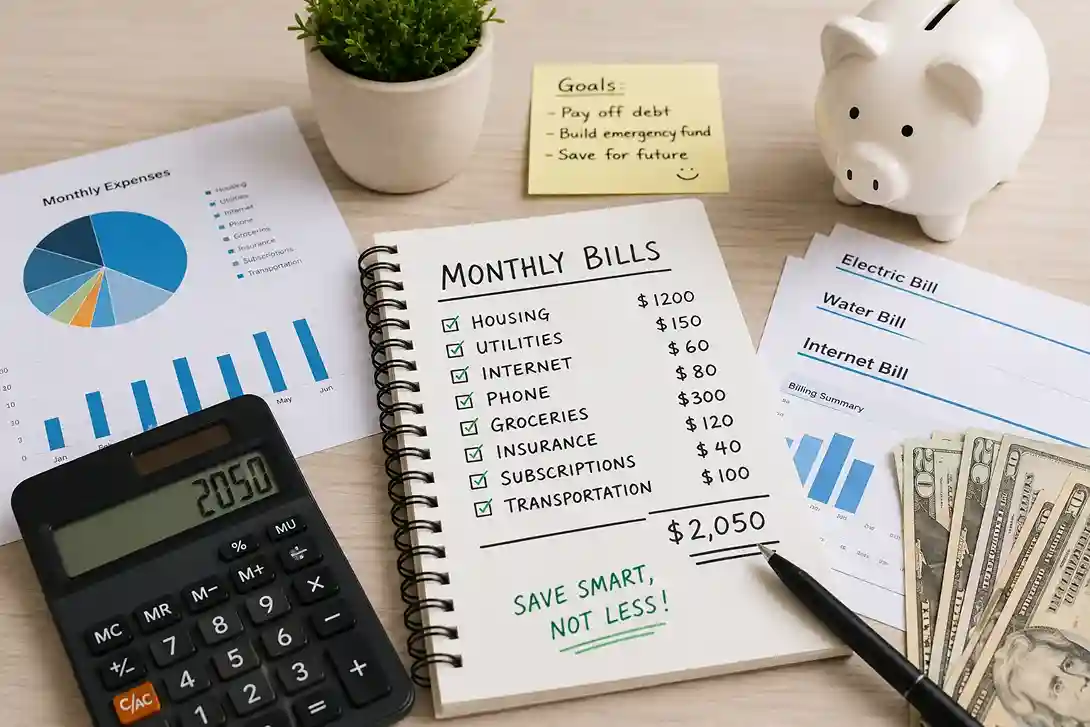
How to Save Money on Monthly Bills Without Cutting Essentials is a goal many households share, especially when everyday expenses seem to rise faster than income. The good news is that lowering monthly costs does not always require sacrificing comfort, canceling necessities, or living on an unrealistic budget.
In many cases, meaningful savings come from improving efficiency, reducing waste, negotiating better rates, and making smarter financial decisions. According to the U.S. Consumer Financial Protection Bureau’s budgeting and savings resources, small recurring expenses can have a surprisingly large impact over time when managed consistently.
If you’re already focused on building stronger financial habits through articles like How to Build an Emergency Fund Even on a Tight Budget and Simple Budgeting Methods That Actually Work for Beginners, reducing monthly bills can free up additional money without affecting your quality of life.
How to Save Money on Monthly Bills Without Cutting Essentials
The key difference between smart savings and painful cutbacks is understanding where waste exists.
Many households assume their only options are:
- Cancel services
- Eliminate entertainment
- Stop eating out entirely
- Reduce household comfort
In reality, most opportunities lie elsewhere.
A better approach is identifying expenses that are higher than necessary while protecting the essentials you genuinely value.
Review Every Monthly Bill Line by Line
One of the simplest money-saving exercises is reviewing every recurring bill.
Many people know roughly what they spend but have never carefully examined individual charges.
Look at:
- Internet bills
- Mobile phone plans
- Streaming subscriptions
- Insurance policies
- Utility bills
- Banking fees
- Memberships
In real-world situations, people often discover charges they forgot existed.
For example:
- Old subscriptions
- Duplicate streaming services
- Unused cloud storage plans
- Inactive gym memberships
The Federal Trade Commission’s consumer spending guidance encourages consumers to regularly review expenses and distinguish between necessary and discretionary spending.
Negotiate Existing Services
Many consumers never ask for lower rates.
That can be expensive.
Internet providers, mobile carriers, insurance companies, and subscription services frequently offer promotional discounts to retain customers.
When calling providers:
- Ask about loyalty discounts
- Mention competitor offers
- Request plan reviews
- Inquire about promotional pricing
In many cases, a 10-minute phone call can save hundreds of dollars annually.
For example, reducing a monthly internet bill by $15 saves $180 per year without changing how you use the service.
If you’re working toward broader financial goals, How to Pay Off Debt Faster Without Feeling Deprived can help redirect those savings toward debt reduction.
Reduce Utility Costs Without Sacrificing Comfort
Many people associate lower utility bills with uncomfortable compromises.
That is not necessarily true.
The U.S. Department of Energy’s energy-saving recommendations highlight simple efficiency improvements that can reduce costs without significantly affecting daily life.
Practical examples include:
- Using LED lighting
- Sealing air leaks
- Adjusting thermostat settings slightly
- Running full dishwasher loads
- Washing clothes in cold water
- Turning off unused electronics
In real-world situations, small efficiency improvements often outperform dramatic lifestyle changes because they are easier to maintain.
A household that saves $20 monthly through efficiency gains saves $240 annually without feeling deprived.
Evaluate Your Mobile Phone Plan
Many consumers pay for far more mobile data than they actually use.
Check your last three months of usage and compare it to your current plan.
Questions worth asking:
- Do you consistently use all available data?
- Are there family plan options?
- Can you switch to a lower tier?
- Is a prepaid option available?
The FCC’s consumer wireless resources encourage consumers to compare service plans regularly because pricing structures change frequently.
If you’re already reviewing digital expenses, this is a good opportunity to combine the process with How to Protect Your Personal Data Online in 2026, since many mobile services include privacy and security features that may affect overall value.
Audit Subscription Services
Subscription spending often grows gradually.
A streaming service here.
A premium app there.
A music subscription.
A gaming membership.
Cloud storage.
Eventually, small charges become meaningful monthly expenses.
Instead of canceling everything, evaluate:
- How often you actually use each service
- Whether multiple services overlap
- Annual versus monthly pricing
- Family-sharing options
For example, rotating streaming subscriptions throughout the year may provide access to the same content while lowering total costs.
The goal is not eliminating enjoyment.
The goal is avoiding unnecessary overlap.
Shop Insurance More Often
Many people remain with the same insurance provider for years without comparing alternatives.
While loyalty can occasionally produce discounts, it can also result in higher premiums.
Consider reviewing:
- Auto insurance
- Home insurance
- Renters insurance
- Life insurance
The National Association of Insurance Commissioners offers consumer guidance through its insurance shopping resources.
In real-world situations, comparison shopping every one to two years often uncovers significant savings opportunities.
Prevent Food Waste Before Cutting Grocery Spending
One of the most overlooked household expenses is food waste.
Many families attempt to reduce grocery budgets by purchasing less food, only to end up making extra trips to the store.
A better approach is reducing waste.
Simple strategies include:
- Meal planning
- Shopping with a list
- Using leftovers creatively
- Monitoring expiration dates
- Freezing unused ingredients
The USDA’s food waste reduction guidance notes that reducing waste can save households substantial amounts of money each year.
If your goal is improving overall financial resilience, How to Build an Emergency Fund Even on a Tight Budget becomes much easier when less money ends up in the trash.
Lower Banking and Financial Fees
Bank fees often go unnoticed because they appear as small deductions.
Common examples include:
- Monthly maintenance fees
- ATM fees
- Overdraft charges
- Foreign transaction fees
- Paper statement fees
Review your bank statements carefully.
Many institutions now offer fee-free accounts that provide similar services.
Even eliminating a $10 monthly fee saves $120 annually.
Small improvements compound over time.
Use Energy-Efficient Appliances Strategically
Replacing every appliance immediately rarely makes financial sense.
However, when appliances naturally reach the end of their lifespan, efficiency should become part of the purchasing decision.
The Department of Energy’s Energy Star resources explain how efficient appliances can reduce long-term operating costs.
For example:
- Refrigerators
- Washing machines
- Water heaters
- Dishwashers
Lower utility consumption creates recurring savings year after year.
Avoid Lifestyle Inflation
One of the biggest obstacles to reducing monthly expenses is lifestyle inflation.
When income increases, expenses often rise alongside it.
A larger streaming package.
A more expensive phone plan.
Additional subscriptions.
More convenience services.
None of these purchases may seem significant individually.
Together, they can erase the benefits of higher earnings.
In real-world situations, maintaining a modest lifestyle while increasing income often creates the largest savings opportunities.
This principle aligns closely with Simple Budgeting Methods That Actually Work for Beginners, which emphasizes intentional spending rather than deprivation.
Common Mistakes People Make
Focusing Only on Large Expenses
Major bills matter, but recurring smaller expenses often provide easier savings opportunities.
Cutting Essentials First
Many people immediately reduce grocery quality, healthcare spending, or necessary services before addressing waste elsewhere.
Ignoring Recurring Charges
Small monthly fees can quietly consume hundreds of dollars annually.
Chasing Extreme Frugality
Aggressive budgeting plans frequently fail because they are difficult to sustain long term.
Failing to Track Results
Without monitoring progress, it becomes difficult to know which changes are actually working.
Best Practices for Sustainable Savings
Successful bill reduction usually follows a few consistent principles:
Review Bills Quarterly
Service providers change prices frequently.
Regular reviews help identify opportunities.
Focus on Recurring Savings
A recurring $20 monthly reduction is often more valuable than a one-time $100 discount.
Automate Savings
Move money saved from bill reductions into savings immediately.
Compare Providers Periodically
Loyalty should be earned through value, not habit.
Prioritize Convenience and Sustainability
Savings strategies that fit naturally into your lifestyle are more likely to succeed.
FAQ
How much can I realistically save on monthly bills?
Results vary, but many households can reduce recurring expenses by 5% to 20% simply through bill reviews, negotiations, subscription audits, and efficiency improvements.
Should I cancel all subscriptions?
Not necessarily. The goal is eliminating unused or redundant services, not removing every source of enjoyment.
Is negotiating bills really effective?
Yes. Internet, mobile, insurance, and subscription providers often offer discounts to retain customers.
What bill should I review first?
Start with recurring expenses that are easy to compare, such as internet, mobile phone, streaming, and insurance costs.
How often should I review my monthly expenses?
A quarterly review works well for most households and helps identify changes before they become expensive habits.
Conclusion
How to Save Money on Monthly Bills Without Cutting Essentials is less about sacrifice and more about efficiency. Reviewing bills, negotiating better rates, reducing waste, improving energy efficiency, managing subscriptions, and preventing lifestyle inflation can create meaningful savings without reducing your quality of life.
Combined with smart financial habits from resources like How to Build an Emergency Fund Even on a Tight Budget, Simple Budgeting Methods That Actually Work for Beginners, and How to Pay Off Debt Faster Without Feeling Deprived, these strategies can help you keep more of your income while maintaining the essentials that matter most. The best savings plans are not the most restrictive—they are the ones you can realistically maintain for years.

Shiva S writes about AI, cybersecurity, online safety, Google Discover, and digital trends. His focus is creating practical, easy-to-understand guides that help readers stay informed and safer online.