
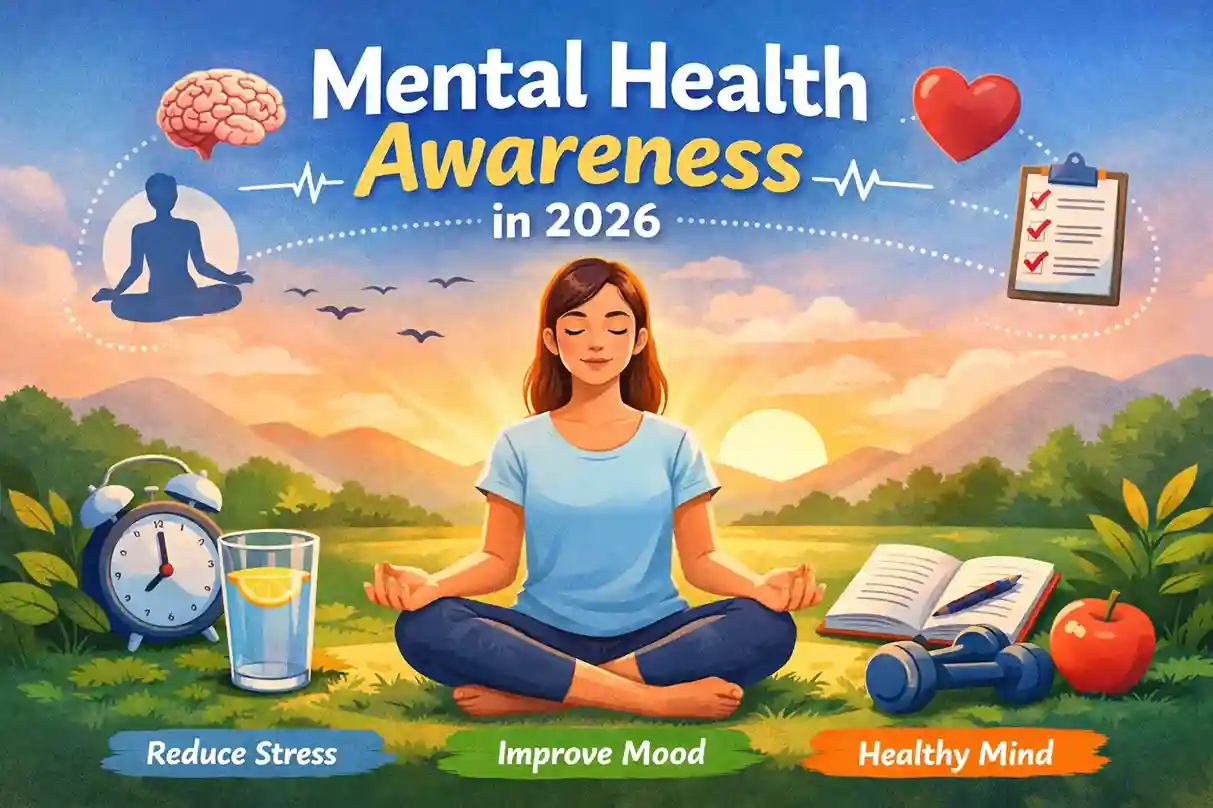
Mental health is one of the most important yet misunderstood aspects of overall health. In 2026, people are talking more openly about stress, anxiety, burnout, and depression — but many still struggle silently.
Mental health does not only mean the absence of mental illness. It refers to your emotional balance, ability to manage stress, quality of relationships, thinking patterns, and how you respond to daily challenges.
Just like physical health, mental well-being requires daily care and attention.
This guide explains everything in simple language — from warning signs to practical solutions you can start today.
What Is Mental Health?
Mental health includes your emotional, psychological, and social well-being. It affects:
- How you think
- How you feel
- How you handle stress
- How you make decisions
- How you relate to others
A mentally healthy person is not happy all the time. Instead, they are able to cope with problems, recover from setbacks, and maintain balance during stressful situations. According to the World Health Organization (WHO), mental health is a state of well-being that allows people to cope with life’s stresses.
Why Mental Health Matters More Than Ever in 2026
Modern lifestyles are putting increased pressure on emotional well-being.
Here are some major factors affecting mental health today:
- Long working hours
- Work-from-home isolation
- Financial stress
- Constant social media comparison
- Poor sleep schedules
- Information overload
For example, many remote employees report feeling mentally exhausted despite sitting at home all day. This mental fatigue happens because the brain processes continuous digital information without proper rest.
Mental health is directly connected to productivity, relationships, physical health, and long-term happiness.
Common Signs of Poor Mental Health
Recognizing early warning signs is crucial.
1. Constant Fatigue
Feeling tired even after adequate sleep can be a sign of emotional exhaustion.
2. Mood Swings
Sudden anger, irritability, or sadness without clear reasons.
3. Sleep Disturbances
Difficulty falling asleep or waking up multiple times during the night.
4. Overthinking
Constantly replaying situations or worrying excessively about the future.
5. Loss of Interest
No longer enjoying hobbies or social interactions.
6. Difficulty Concentrating
Trouble focusing on simple tasks or making decisions.
If these symptoms last for more than two weeks, it is important to take them seriously.
Main Causes of Mental Health Problems
Understanding causes helps in prevention.
1. Chronic Stress
Continuous stress increases cortisol levels. High cortisol affects sleep, digestion, and emotional stability.
For example, employees working under constant deadlines often experience anxiety and irritability.
2. Social Media Comparison
Seeing only the “perfect” highlights of others’ lives can lower self-esteem and create unrealistic expectations.
This often leads to:
- Self-doubt
- Anxiety
- Body image issues
3. Lack of Physical Activity
Exercise releases endorphins, also known as “feel-good” hormones. A sedentary lifestyle reduces emotional resilience.
4. Poor Diet
Nutrition directly affects brain chemistry. Excess junk food and sugar may contribute to mood fluctuations.
5. Unresolved Emotional Issues
Past trauma, family problems, or personal loss can affect long-term mental stability if not addressed properly.
Practical Ways to Improve Mental Health Naturally
The good news is that small daily changes can significantly improve mental well-being.
1. Maintain a Consistent Sleep Routine
Sleep regulates emotional balance. Try to:
- Sleep at the same time daily
- Avoid screens one hour before bed
- Keep your bedroom dark and quiet
Most people notice improved mood within 1–2 weeks of regular sleep.
2. Exercise at Least 20 Minutes Daily
Walking, yoga, stretching, or light workouts reduce stress hormones.
Example: Individuals who start a 20-minute daily walk often report better mood and improved sleep within two weeks. Many people explore smart ways to make money online to reduce financial stress, but overworking can also impact mental health.
3. Practice Deep Breathing
A simple breathing method:
- Inhale for 4 seconds
- Hold for 4 seconds
- Exhale for 6 seconds
Repeat for 5 minutes. This activates the relaxation response in your body.
4. Limit Social Media Usage
Set a daily screen time limit. Avoid checking your phone immediately after waking up.
Digital detox even once a week can improve mental clarity.
5. Stay Socially Connected
Face-to-face interaction improves emotional stability more than online communication.
Calling a friend or spending time with family reduces feelings of loneliness.
6. Eat Brain-Healthy Foods
Include:
- Nuts and seeds
- Leafy vegetables
- Fruits
- Whole grains
- Omega-3 rich foods
Balanced nutrition supports better brain function.
7. Journal Your Thoughts
Writing down worries helps organize thoughts and reduce mental clutter.
Many therapists recommend journaling as a powerful stress-management tool.
Mental Health and Workplace Performance
Good mental health improves:
- Productivity
- Creativity
- Focus
- Teamwork
- Decision-making
Companies are now investing in employee mental wellness programs because emotional stability directly impacts performance.
When Should You Seek Professional Help?
While self-care is helpful, professional support may be necessary if:
- Anxiety disrupts daily life
- Depression lasts more than two weeks
- Panic attacks occur
- You experience hopelessness
- You have thoughts of self-harm
Seeking therapy is not weakness — it is a responsible step toward healing.
Licensed psychologists and mental health professionals provide structured support and coping strategies. The American Psychological Association recommends seeking professional support if emotional distress interferes with daily functioning.
Simple 7-Day Mental Health Reset Plan
Day 1: Fix your sleep schedule
Day 2: Go for a 20-minute walk
Day 3: Reduce social media by 50%
Day 4: Practice breathing exercises
Day 5: Call a close friend
Day 6: Eat balanced meals
Day 7: Have a screen-free evening
Small improvements create long-term change.
Final Thoughts
Mental health is just as important as physical health. Ignoring emotional well-being can lead to long-term consequences.
The key is consistency. You do not need drastic life changes.
Start with:
- Better sleep
- Daily movement
- Reduced screen time
- Healthy food choices
- Open conversations
Small daily actions create strong emotional foundations.
Take care of your mind — it shapes your entire life.
Frequently Asked Questions
1. What are the early warning signs of mental health issues?
Early signs include constant fatigue, mood swings, sleep disturbances, loss of interest in activities, and difficulty concentrating. If symptoms persist for more than two weeks, professional advice may be needed.
2. How can I improve my mental health naturally at home?
You can improve mental health by maintaining regular sleep, exercising daily, practicing breathing techniques, limiting social media use, eating nutritious food, and staying socially connected.
3. How long does it take to see improvement in mental health?
Many people notice small improvements in mood and sleep within 1–2 weeks of consistent lifestyle changes. However, long-term mental health improvement may take several months.
4. Does exercise really help reduce anxiety?
Yes. Exercise releases endorphins and reduces cortisol levels, helping to lower stress and anxiety naturally.
5. When should I consider seeing a therapist?
If emotional distress interferes with work, relationships, or daily activities — or if symptoms last more than two weeks — consulting a licensed mental health professional is recommended.
6. Can poor sleep affect mental health?
Yes. Irregular or insufficient sleep can increase irritability, anxiety, and difficulty concentrating. Sleep plays a major role in emotional regulation.
By latestnewss.com Editorial Team
Updated 17 Feb 2026