
Introduction
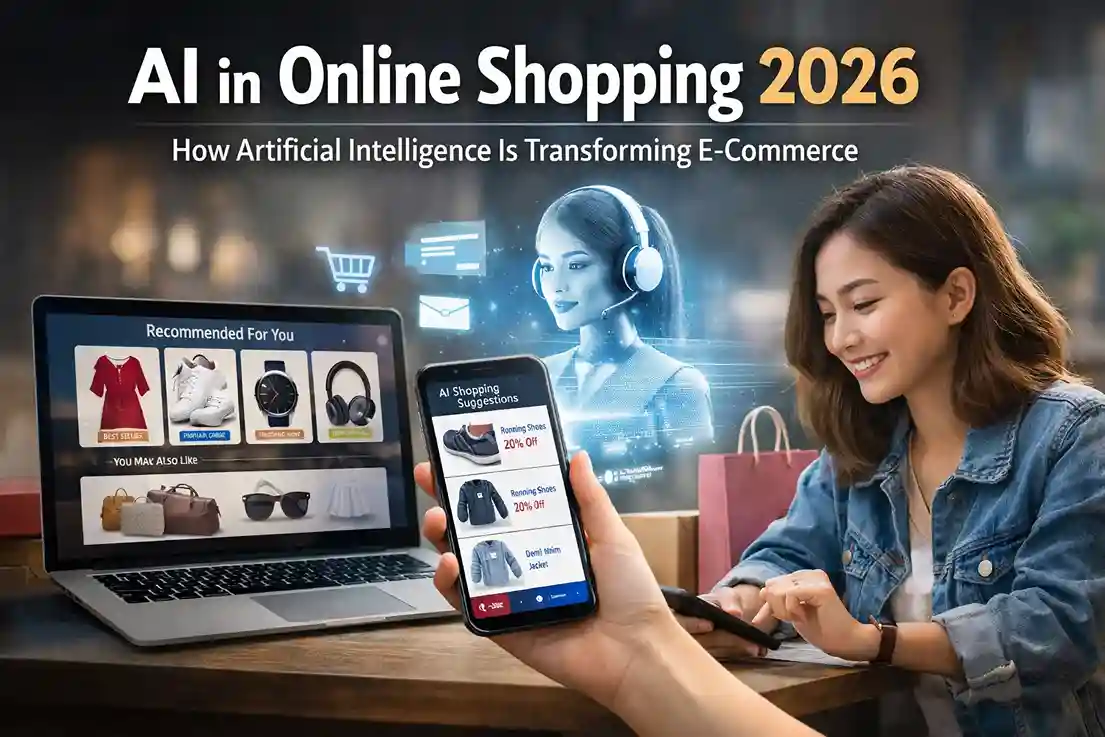
Online shopping has changed dramatically over the last decade, but one of the most exciting innovations in digital commerce today is the rise of the AI personal shopping assistant. In 2026, artificial intelligence is playing a major role in helping consumers find better products, compare prices, and make smarter buying decisions.
An AI personal shopping assistant works like a digital helper that understands your preferences, analyzes your shopping habits, and recommends products that match your interests. Instead of spending hours searching through hundreds of items, shoppers can now rely on intelligent algorithms to suggest the most relevant options instantly. Artificial intelligence is transforming many industries and reflects broader artificial intelligence trends in 2026 shaping the future of technology. The rapid growth of digital commerce is largely driven by advancements in artificial intelligence technology that allow machines to analyze massive amounts of consumer data.
From fashion and electronics to groceries and home products, AI-powered assistants are transforming how people shop online and making the buying process faster, more convenient, and more personalized.
What Is an AI Personal Shopping Assistant?
An AI personal shopping assistant is a digital tool powered by artificial intelligence that helps consumers discover and purchase products more efficiently. These assistants use machine learning algorithms to analyze customer behavior and provide personalized recommendations. Many of these systems are built using popular AI tools used in 2026 that analyze user behavior and product preferences.
Unlike traditional online shopping tools, AI assistants learn from user activity over time. They analyze:
- browsing history
- previous purchases
- product preferences
- search patterns
- customer reviews
By combining this information, AI systems can recommend products that closely match the shopper’s needs.
For example, if a customer frequently purchases sports equipment, the AI assistant may recommend new fitness gear, running shoes, or workout accessories based on recent trends.
How AI Shopping Assistants Work
AI shopping assistants rely on several advanced technologies that allow them to understand user behavior and deliver accurate product suggestions.
Machine Learning
Machine learning algorithms analyze shopping data to identify patterns in consumer behavior. Over time, the system becomes better at predicting what a shopper might want to buy next. These recommendation engines often rely on useful AI tools people are using today to process massive amounts of customer data.
Natural Language Processing
Natural language processing enables AI assistants to understand user queries written in everyday language.
For example, a shopper could type:
“Find affordable wireless headphones with good battery life.”
The AI system understands the request and displays relevant product options.
Recommendation Algorithms
Recommendation engines compare a shopper’s behavior with data from millions of other users to suggest products that similar customers have purchased.
This technology powers many popular e-commerce platforms today. Global research on future trends in artificial intelligence and automation shows how AI technologies are rapidly transforming digital industries.
Real-World Examples of AI Shopping Assistants
Many major companies already use AI-powered shopping assistants to improve customer experience.
Amazon Product Recommendations
Online retail platforms use AI to recommend products based on browsing history and purchase patterns. When customers view an item, the system suggests related products or accessories.
Fashion AI Stylists
Some clothing brands offer AI-based styling assistants that recommend outfits based on a customer’s size, preferences, and previous purchases.
Grocery Shopping Assistants
AI-powered grocery apps can suggest recipes and automatically generate shopping lists based on a user’s dietary preferences.
These examples show how artificial intelligence is becoming a valuable tool for both shoppers and retailers. The growth of digital commerce is closely linked with AI in online shopping 2026 that enables personalized recommendations.
Benefits of AI Personal Shopping Assistants
AI shopping assistants provide several advantages that improve the online shopping experience.
Personalized Shopping Experience
AI assistants tailor product recommendations based on individual preferences, helping users find products that match their needs.
Faster Product Discovery
Instead of scrolling through hundreds of items, shoppers receive targeted recommendations instantly. Technology experts frequently publish latest artificial intelligence innovation research that explores how machine learning improves recommendation systems.
Better Price Comparison
Some AI assistants monitor prices across different platforms and alert users when products become cheaper.
Improved Customer Satisfaction
By providing relevant suggestions, AI systems reduce the frustration of searching for products online.
AI Assistants in Mobile Shopping Apps
Mobile shopping apps are increasingly integrating AI assistants to enhance the user experience.
Many apps now include features such as:
- voice-based product search
- personalized product feeds
- AI-powered deal alerts
- smart shopping notifications
For example, a smartphone shopping app may notify users when a product they previously viewed goes on sale.
These intelligent features help consumers make faster purchasing decisions.
Voice Shopping with AI Assistants
Voice technology is another area where AI personal shopping assistants are becoming more popular.
Smart speakers and mobile voice assistants allow users to search for products and place orders using voice commands.
Example:
A user might say:
“Order my favorite coffee brand again.”
The AI assistant recognizes the previous purchase and automatically places the order.
Voice shopping is expected to grow significantly as AI technology continues to improve. Businesses are increasingly adopting AI agents transforming the future of work to automate customer service and improve efficiency.
AI Shopping Assistants for Businesses
AI shopping assistants do not only benefit customers. They also provide significant advantages for online retailers.
Higher Conversion Rates
Personalized recommendations increase the chances that shoppers will purchase products.
Better Customer Insights
AI systems analyze user behavior and provide valuable insights into consumer preferences.
Efficient Inventory Management
Retailers can use AI predictions to stock products that customers are more likely to buy.
These insights help businesses optimize their marketing and sales strategies.
Challenges of AI Shopping Assistants
Despite their advantages, AI shopping assistants also present certain challenges.
Data Privacy Concerns
AI systems rely heavily on user data, which raises concerns about how personal information is collected and stored. As more customer data is processed by AI systems, cybersecurity and personal data protection in 2026 are becoming critical priorities.
Algorithm Bias
Recommendation systems may unintentionally favor certain brands or products.
Over-Reliance on Automation
While automation improves efficiency, businesses must ensure that human oversight remains part of the decision-making process.
The Future of AI Personal Shopping Assistants
The future of digital commerce will likely include even more advanced AI shopping assistants.
Experts predict several new developments:
- AI assistants that negotiate prices automatically
- fully personalized digital storefronts
- augmented reality shopping experiences
- predictive shopping suggestions
These innovations will make online shopping more efficient and tailored to individual consumers. These features rely heavily on natural language processing technology that helps AI systems understand human queries.
Conclusion
The rise of the AI personal shopping assistant is transforming how people discover and purchase products online. By analyzing customer behavior, providing personalized recommendations, and simplifying the buying process, artificial intelligence is making online shopping faster and more convenient than ever before.
As technology continues to evolve, AI shopping assistants will likely become an essential part of the digital commerce ecosystem, helping both consumers and businesses navigate the increasingly complex world of online retail.
Frequently Asked Questions
What is an AI personal shopping assistant?
An AI personal shopping assistant is a digital tool that uses artificial intelligence to recommend products based on user preferences, browsing history, and purchase behavior.
How do AI shopping assistants help consumers?
They help consumers discover relevant products faster, compare prices, and receive personalized recommendations.
Are AI shopping assistants used in mobile apps?
Yes. Many e-commerce apps include AI-powered assistants that provide product suggestions and deal alerts.
Can AI assistants improve online shopping experience?
Yes. AI assistants reduce search time, personalize recommendations, and help users make better buying decisions.
Will AI replace traditional online shopping?
AI will enhance online shopping rather than replace it, making digital marketplaces more personalized and efficient.
Author: LatestNewss Editorial Team
Category: Technology
Published: March 6th, 2026