Introduction
How AI Is Changing Everyday Life in 2026 has become one of the most important global technology discussions today. Artificial Intelligence is no longer limited to research laboratories or large technology companies. Instead, AI technologies are now deeply integrated into everyday human activities, influencing how people communicate, work, travel, shop, learn, and manage their homes.
From intelligent smartphones and personalized online experiences to smart healthcare systems and automated workplaces, artificial intelligence is silently improving efficiency across modern society. Millions of users interact with AI-powered systems daily without even realizing it. Recent advancements in artificial intelligence technology have enabled smarter digital systems used across everyday applications.
As AI adoption accelerates worldwide, understanding its real-world impact helps individuals adapt to the rapidly evolving digital environment.Stay updated with the latest technology and AI news updates to understand how innovation continues shaping modern lifestyles.
How AI Is Changing Everyday Life in 2026 Across Industries
Artificial Intelligence in 2026 works behind the scenes by analyzing massive amounts of data and making intelligent decisions instantly. Unlike traditional software, modern AI systems learn continuously from user behavior. These developments align closely with broader artificial intelligence trends in 2026 shaping industries worldwide.
Today, AI influences multiple industries including:
- Consumer technology
- Healthcare services
- Education platforms
- Transportation systems
- Online commerce
- Workplace productivity tools
This widespread adoption demonstrates how AI has transitioned from innovation to everyday necessity.
AI in Smartphones: Your Personal Digital Assistant
Smartphones represent one of the clearest examples of AI integration in daily life.
Modern devices use artificial intelligence to understand user habits and automate routine actions.
Real-Time Examples
- AI cameras automatically enhance photos using scene recognition
- Predictive typing completes sentences instantly
- Voice assistants schedule reminders and send messages
- Battery optimization adapts based on usage patterns
For example, navigation apps analyze traffic conditions in real time and recommend faster routes before congestion occurs.
These intelligent features save time while improving overall user experience. Many smartphones now integrate popular AI tools used in 2026 to automate daily tasks efficiently.
Smart Homes and AI-Powered Living
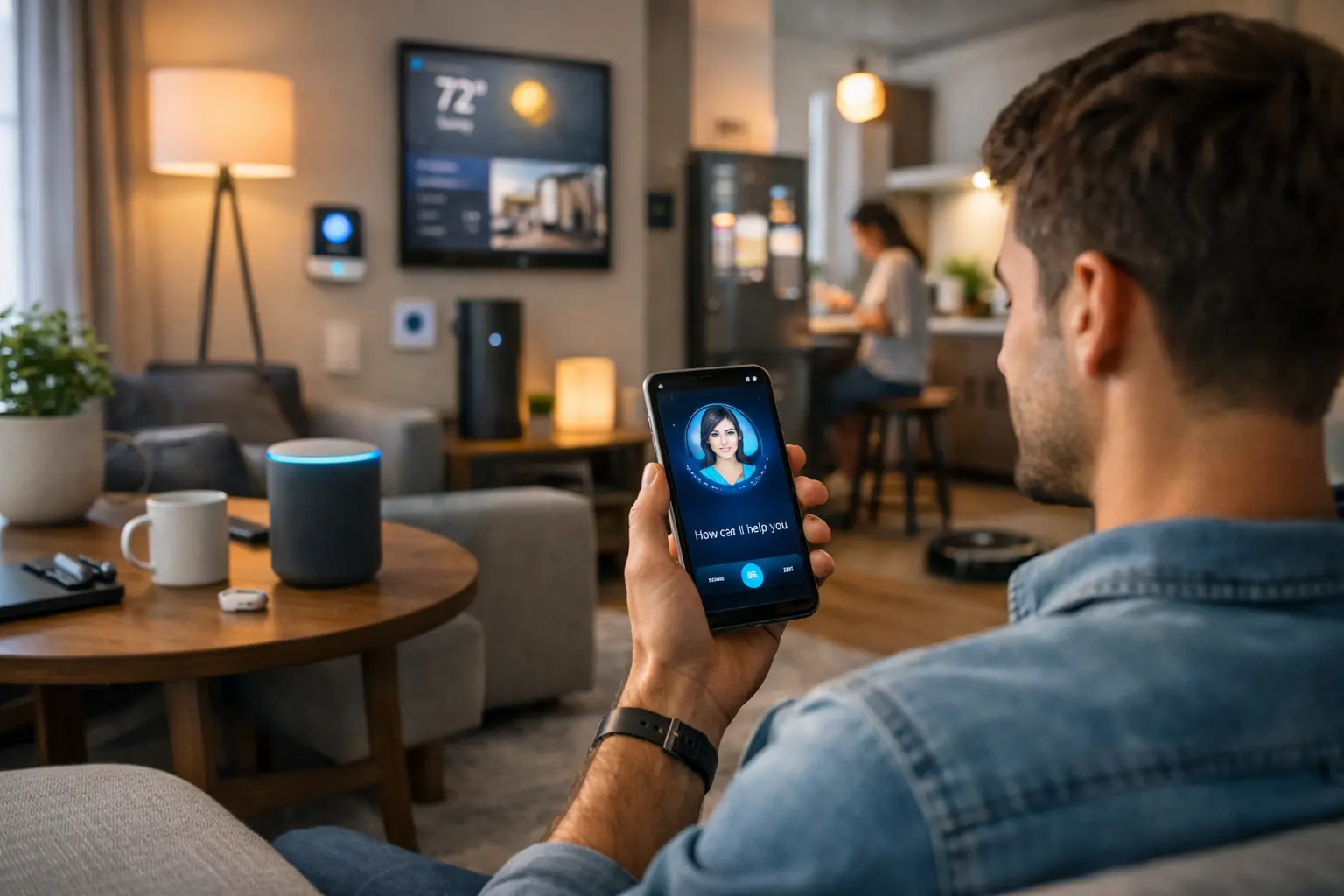
AI-driven smart home technology is transforming residential living environments.
Homes equipped with intelligent systems can now respond automatically to daily routines.
Everyday Smart Home Applications
- Lights turning off when rooms are empty
- Smart thermostats adjusting temperature automatically
- AI security cameras detecting suspicious activity
- Voice-controlled appliances managing schedules
Families increasingly rely on AI assistants to control entertainment systems, monitor energy usage, and enhance home security. Modern households increasingly rely on AI-powered smart home security systems for enhanced safety.
This automation not only improves comfort but also promotes energy efficiency.
Online Shopping and Digital Payments Powered by AI
Artificial Intelligence has revolutionized online shopping experiences.
E-commerce platforms analyze browsing patterns, purchase history, and preferences to deliver highly personalized recommendations.
Practical Example
When users browse products online, AI algorithms instantly suggest items aligned with their interests, increasing convenience and decision-making speed.
Financial institutions also use AI-based fraud detection systems capable of identifying unusual transactions within seconds. Suspicious activities can be blocked automatically, protecting users from financial loss.
AI Transforming Healthcare Services
Healthcare is experiencing one of the most impactful transformations due to artificial intelligence.
Medical professionals now use AI tools to assist diagnosis, treatment planning, and patient monitoring.
Healthcare Innovations in 2026
- AI detecting diseases through medical imaging
- Wearable devices monitoring health conditions
- Virtual medical assistants supporting patients remotely
- Predictive analytics identifying potential health risks
Telemedicine platforms powered by AI enable patients in remote regions to access healthcare services efficiently.
These advancements improve accuracy while reducing healthcare costs. Hospitals increasingly depend on AI applications in modern healthcare systems to improve diagnostic accuracy and patient monitoring.
Education and Personalized Learning Experiences
Artificial Intelligence is reshaping modern education systems by enabling personalized learning.
AI-powered platforms analyze student performance and adapt lessons accordingly.
Educational Benefits
- Customized learning paths
- Instant feedback on assignments
- AI tutoring assistance
- Language translation tools
Teachers benefit from automated administrative support, allowing greater focus on interactive learning experiences.
AI makes education more accessible regardless of geographic location.
AI in Workplaces and Professional Productivity
Work environments are rapidly evolving with AI integration.
Businesses now use artificial intelligence to automate repetitive operations and improve decision-making processes.
Workplace Examples
- AI chatbots managing customer support
- Automated meeting summaries
- Email prioritization systems
- Data analysis automation
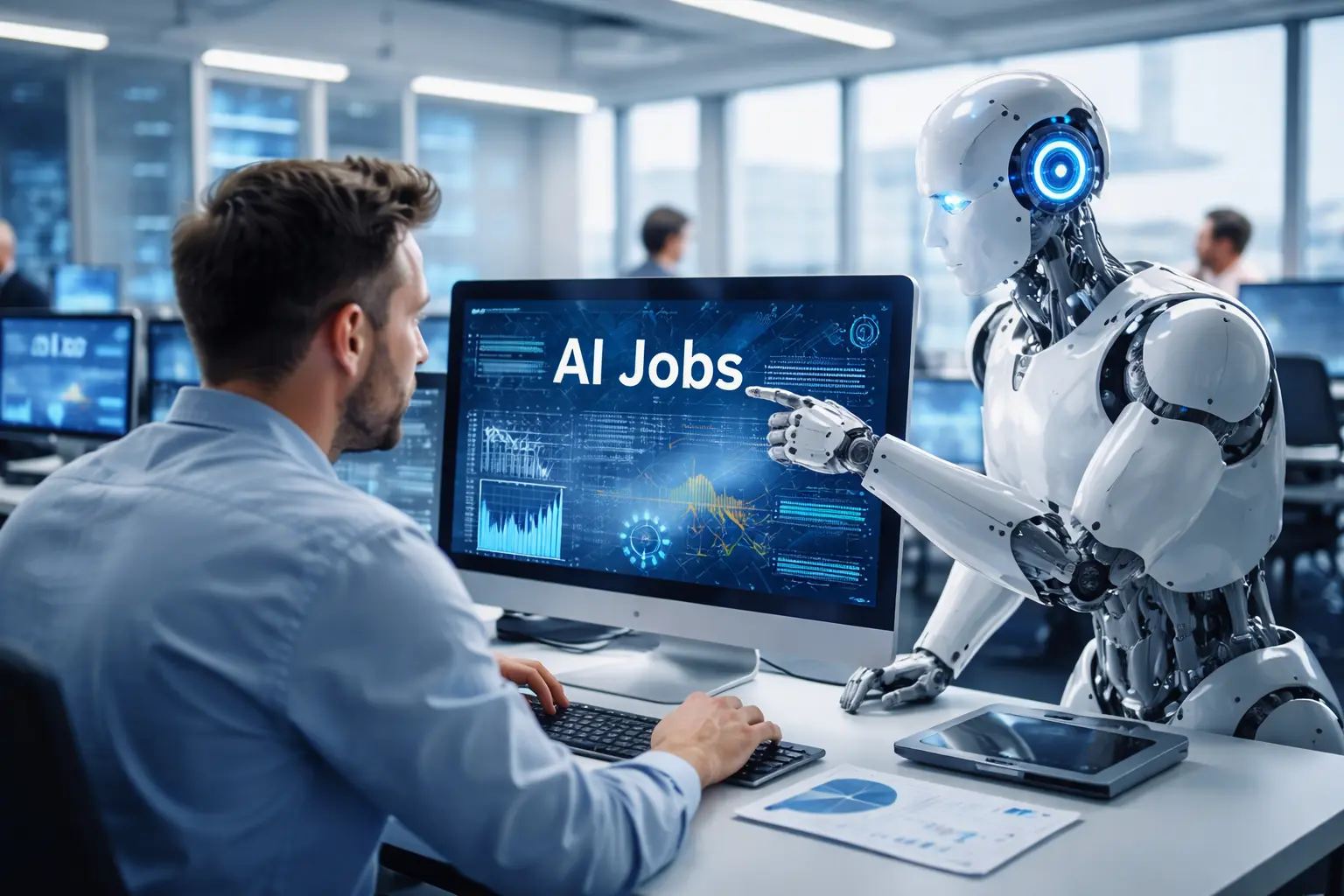
Rather than replacing workers entirely, AI enhances productivity by assisting employees with time-consuming tasks.
Human creativity combined with AI efficiency is redefining modern professional roles. Studies highlight the growing impact of artificial intelligence on future jobs across global industries.
Challenges and Ethical Concerns of Artificial Intelligence
Despite its benefits, AI adoption also introduces challenges that require careful management.
Key concerns include:
- Data privacy protection
- Algorithm bias risks
- Workforce transformation
- AI-generated misinformation
Governments and technology organizations worldwide are developing ethical frameworks to ensure responsible AI usage. Users must follow strong personal data protection and cybersecurity practices when using AI-powered platforms.
Balancing innovation with regulation remains essential for sustainable growth.
Future Outlook: Everyday Life Beyond 2026
The future of artificial intelligence suggests deeper integration into daily routines.
Upcoming innovations may include:
- Autonomous transportation systems
- AI-powered smart cities
- Advanced digital assistants
- Environmental monitoring solutions
As technology becomes more intuitive, interactions between humans and machines will continue becoming seamless.
The rapid pace of innovation clearly demonstrates how AI is changing everyday life in 2026 and shaping the digital future.
Conclusion
Artificial Intelligence has transitioned from an emerging technology into a fundamental part of modern living. Whether through smartphones, healthcare, education, or workplace automation, AI continues improving efficiency and convenience worldwide.
Understanding how AI is changing everyday life in 2026 allows individuals and businesses to embrace technological progress confidently while preparing for future advancements.
AI is no longer the future — it is already part of everyday reality.
Frequently Asked Questions
What are examples of AI in everyday life?
AI is used in smartphones, navigation apps, online shopping recommendations, healthcare monitoring devices, and smart home automation systems.
How does AI improve daily productivity?
AI automates repetitive tasks such as scheduling, navigation planning, customer support responses, and data analysis, saving time for users.
Is artificial intelligence safe for personal use?
Most AI systems include strong security measures, but users should maintain privacy practices like secure passwords and trusted applications.
Will AI replace human jobs completely?
AI mainly transforms job roles rather than eliminating them, creating new opportunities in technology and digital industries.
Why is AI important in 2026?
AI improves efficiency, decision-making, safety, and accessibility across industries, making everyday activities faster and smarter.
Author: LatestNewss Editorial Team
Category: Technology
Published: March 2nd, 2026